Understanding dog behaviour around other dogs
Social interactions can be super stressful – especially if you have a “reactive” dog. But over the course of my studies, I’ve heard from a couple of hundred dog guardians about the things they deal with on an almost daily basis. Most had reactive dogs, and there were lots of ways in which they wanted to develop their understanding of dog behaviour. In some cases, they offered things that they wished other dog carers knew.
To help every dog family out there, I’ve put together a list of nine steps to positive social interactions. Some of them may not apply to you or your dog. But having a better understanding of all dogs can only be a good thing, even if you don’t have your own! After all, we all come across dogs from time to time.
Brush up on your canine behaviour skills
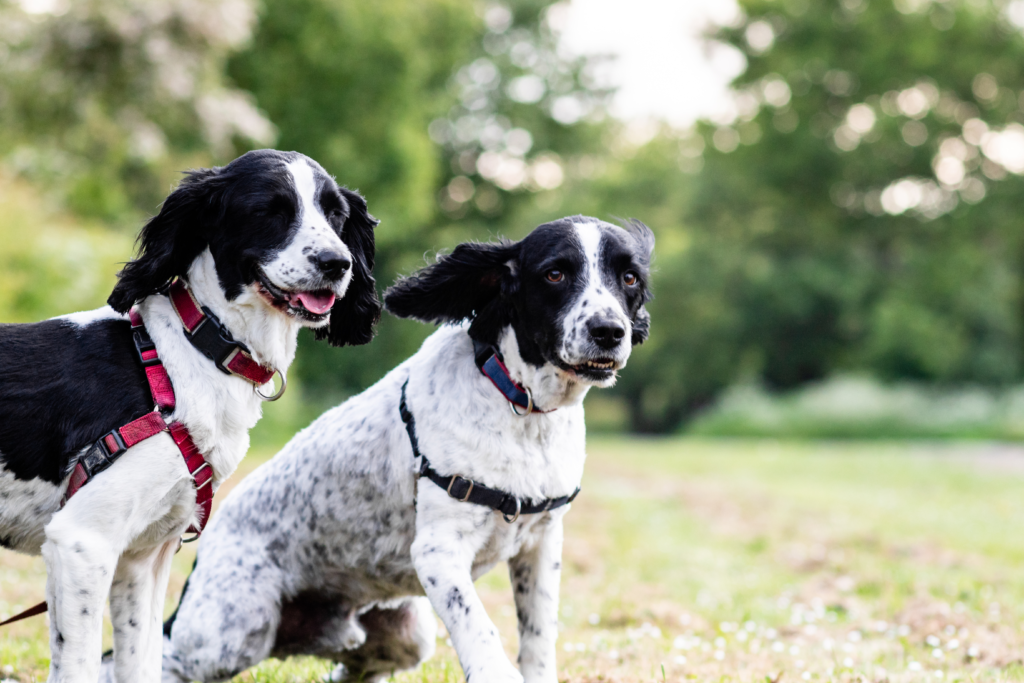
1. Although you cannot control how other dogs behave, you can help your dog by focusing on them as an individual. Study their body language, understand their unique signals, and keep an eye out for signs of discomfort, calmly guiding them away from stressful situations. These signs will often be subtle, such as lip licking, sniffing and looking away. But if ignored, they can escalate.
Some dogs are unfortunately harder to read than others due to features we’ve selectively bred for, like wrinkly skin and super shaggy coats. But some dogs have also had their tails docked and ears cropped, removing two of their major methods of communication. Remember that if you find your dog hard to read, others may, too – and that includes other dogs.
2. Examine your dog’s personality. Do they hang back in social situations or jump straight in? Just like people, not all dogs are highly sociable – some are merely tolerant of other dogs and people. Understanding dog behaviour means accepting and embracing the dog in front of you. So if your dog doesn’t enjoy group situations, why make them suffer?
3. Being a responsible guardian means considering other dogs as well as your own. Unless your dog has a solid recall, don’t let them off the lead when other dogs are around. Be particularly aware of on-lead dogs. They’re on the lead for a reason, don’t have the option of “flight” and will probably dislike other dogs running towards them.
4. Respect canine social norms in your own interactions with other dogs. Avoid approaching dogs head-on and bending over them for a stroke – instead, wait for them to approach and stay still yet relaxed, giving them time to sniff you. (There’s no need to offer your hand as dogs can smell you from a distance!) If they want to interact, you can lower yourself to their level and gently stroke their chest, shoulders or under their chin. But always make sure to ask their human first.
Slow and steady is the key
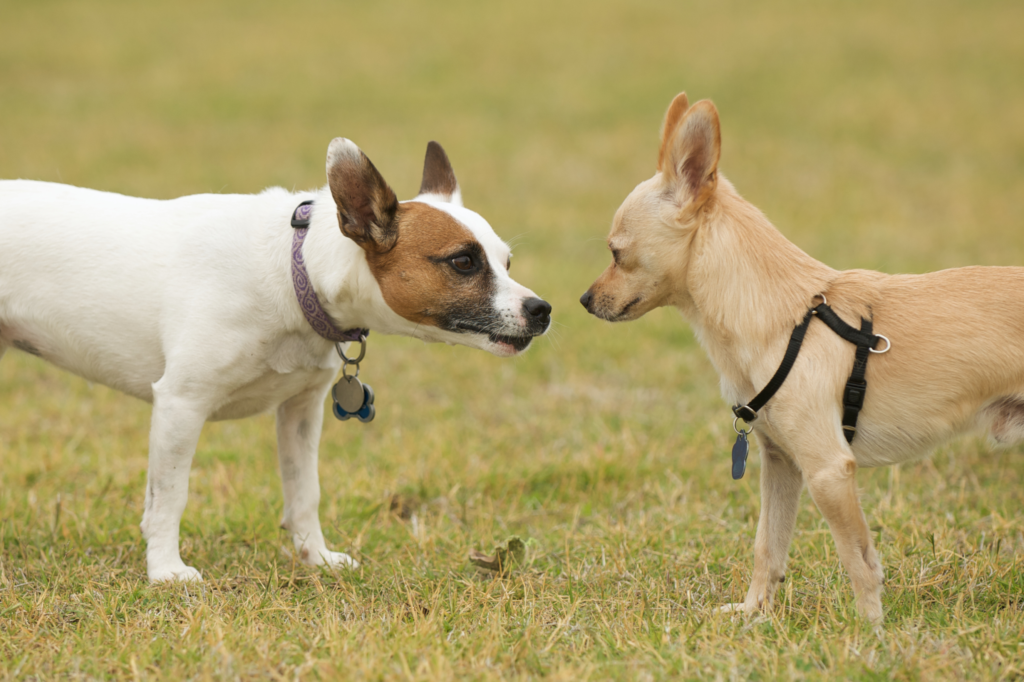
5. Think of socialisation as a steady journey, rather than a race to the finish line. While it’s important to get your dog used to all manner of people, creatures, places, and objects, it’s vital to ensure that these experiences are positive – not overwhelming. Use this checklist to help.
6. Try to remain calm and confident during walks. When I used to read that, I’d always think: “That’s much easier said than done.” And it is – it’s not something that’s going to happen overnight. Plus, we have off days just like our dogs.
What I’ve found helps me is to talk to my dog as I’m walking about what we’re doing and seeing. It helps to keep my voice and breathing steady and the lead nice and loose. (Note that I try to only do this when I’m not looking to do any form of training or behaviour modification, as talking too much while trying to teach can confuse dogs.) But you can do whatever you need to to feel more chilled, whether it’s listening to a certain playlist, doing a meditation session before heading out, or playing games like “reactivity bingo.”
7. If two on-lead dogs seem happy to greet, approach in a curve and keep the greeting to a maximum of three seconds. If they want to greet again, do so for a further three seconds and so on. Move with your dog to avoid tightening or twisting the lead and keep an eye on their body language throughout. If they start to seem uncomfortable, walk away.
Reactive dogs need extra attention
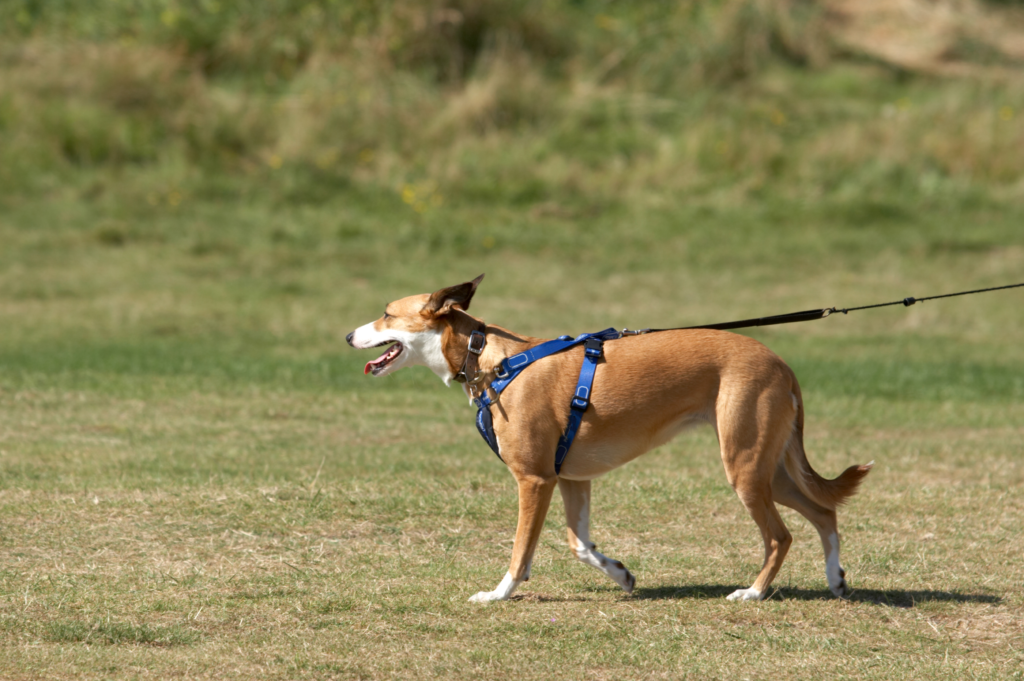
8. If your dog becomes “reactive”, remember that there are many reasons to explain why. They could be in pain, feel frustrated or scared, have had a recent bad experience, or even be responding to how you’re feeling and acting. Your first step is to book a thorough vet check-up.
9. For “reactive” dogs, management is key:
a. Keep their stress levels down by avoiding known triggers – you can even take rest days from walks
b. Mentally stimulate them at home with calming activities such as scentwork
c. Rehearse emergency techniques like U-turns and 123 Treat at home, too, so you can get out of sticky situations on walks
d. Finally, seek personalised advice from a force-free, fear-free behaviourist
Did you find this helpful? Is there anything else you’d like to know about dog-dog or dog-human socialisation? Or anything that would help your understanding of dog behaviour? Let me know in the comments, on Facebook and Instagram, or email me.