What is the puppy socialisation period?
Puppy socialisation is all about exposing our dogs to the variety of things they’re going to come across throughout their life. The important thing is that your dog has positive experiences with a variety of things at their own pace and avoids negative experiences. That will give them the skills to cope with new situations in the future and create confidence as they know they’re safe.
But most of the process isn’t actually socialising in the way we think. It’s more about getting our dogs used to things so that they don’t really pay attention to them. This is called habituation and involves sounds, objects, surfaces, places, creatures and even how they’re going to be handled by people such as vets, groomers and you, of course.
It also includes other people and dogs. Remember while you want to teach your puppy how to interact politely with people and dogs, it’s not a good idea for them to think they can say hi to everyone and everything.
The puppy socialisation period ends around 12 to 16 weeks. Before this point, your dog’s brain finds it much easier to accept new experiences. The brain will then remember those experiences later on and put similar things in the non-threatening category. After that point, your dog is more likely to be wary of things that they haven’t come across before and less likely to want to explore them.
So when should you socialise your puppy?
As the puppy socialisation window ends roughly between 12 to 16 weeks of age, you should start socialising your puppy as soon as they come to live with you. But don’t panic. Breeders should have started this process – all you need to do is carry it on.
Waiting until your puppy is fully vaccinated before starting any kind of socialisation is unfortunately too late. But puppy socialisation before vaccinations isn’t as difficult as it sounds.
You can ask your vet what’s safe for your puppy to do in your local area. If they can’t go on the floor safely, you can carry them to places or let them watch from the car. Your vet may even say that they can mix with vaccinated dogs in a safe place such as a private garden or be allowed to see the world while sitting on a blanket outside. There’s also lots you can do at home, from gradually exposing them to the sounds of vacuum cleaners and fireworks to giving them the opportunity to explore different surfaces and objects.
What should you avoid during the puppy socialisation period?
There’s no need to cram a million things into the space of a few weeks. While it’s important that your puppy is exposed to a variety of things that they’re likely to experience as an adult dog, it’s even more important that we don’t do this in a way that scares or overwhelms them.
Think quality over quantity. Give your puppy time and space to explore things from a distance at first, rather than forcing or luring them into situations they may not be comfortable with. And give them the choice to move away if they want to.
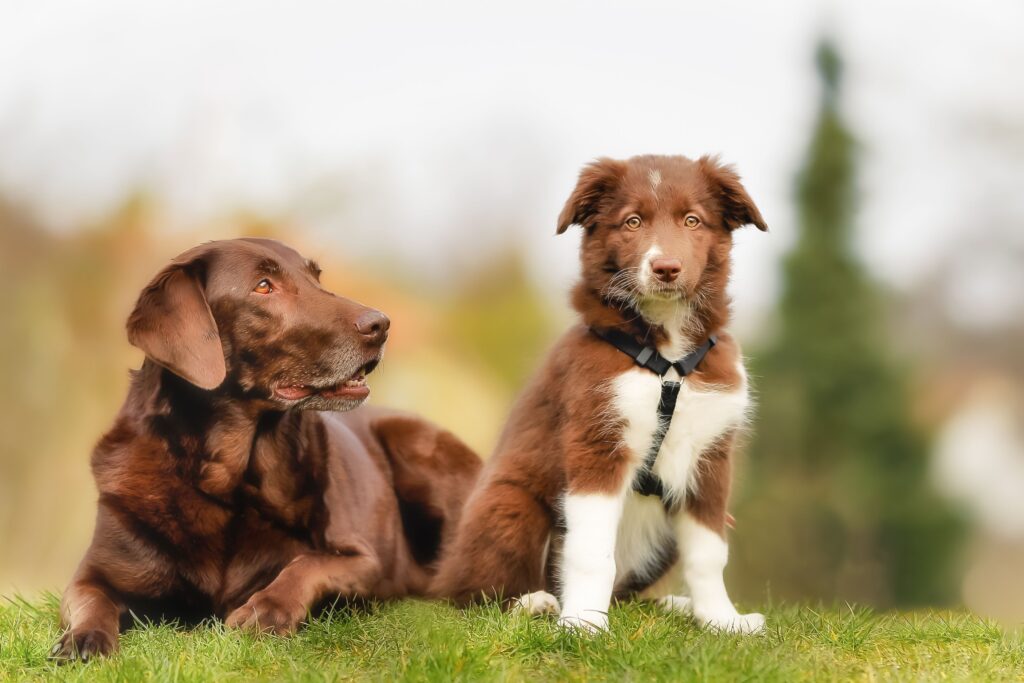
Pick who they socialise with very carefully, too. When it comes to meeting other people and dogs, we want them to feel happy and relaxed, not worried. So it’s best to choose calm adult dogs who can show them the ropes, rather than ones that are likely to repeatedly tell them off. Similarly, when it comes to people, let your puppy choose to approach, rather than allowing people to crowd them.
In conclusion
Everyone’s lives are different so you don’t need to follow a specific puppy socialisation checklist. For example, some dogs may live in the countryside and need to get used to seeing wildlife and livestock while others may need more exposure to the sounds of city life. But if you’d like an idea of the kinds of things to consider when socialising your puppy, get in touch for my free socialisation handout.