The technical side of sound desensitisation for dogs
Dogs can develop a stress response to all kinds of noises, whether the sound is loud and startling, something they’ve never heard before, or something random that happens at the same time as an unpleasant feeling like pain. Common problematic sounds include fireworks and storms. Other dogs may find the sound of traffic difficult to deal with or even household appliances like washing machines or hoovers.
Sound desensitisation for dogs is the best way to help them get used to a sound that they may have become fearful of and effectively teach them that that sound is no big deal. A similar process is also ideal for exposing puppies (up to the age of 14-16 weeks) to a variety of sounds that they may come across in life.
You will often hear this technique referred to as systematic or gradual desensitisation. That’s because it must be carried out gradually to avoid overwhelming the dog and worsening (or causing) any fear. For example, it’s typical to start by playing a recording of a sound at a low volume and gradually increasing the volume over time before considering exposing the dog to the sound in real life. And only when the dog is comfortable should you move to the next stage.
While you can use desensitisation alone, pairing it with counterconditioning helps change a negative emotional response into a positive one. That basically means creating a positive association with the sound by playing it then immediately doing something that your dog enjoys, whether that’s playing a game of tug, having a chew or sniffing out some hidden treats. When the fun thing stops, so should the noise.
The best sound sites for desensitising dogs to noise
Just like with any behavioural modification technique, it can be difficult to get noise desensitisation for dogs right. So I would always recommend speaking to a behaviourist (like me!) who can create a personalised plan and support you through each step.
But one of the trickiest parts is often finding a high-quality recording of the sound you’re targeting. Unless you have fancy equipment, you may struggle to create a realistic-sounding recording yourself. (And sometimes, our dogs don’t respond to recordings at all as they know they’re not the real thing. But that’s a topic for another day.)
So where can you go for good-quality and free sound recordings? Well, here are three sites I tend to use:
Dogs Trust
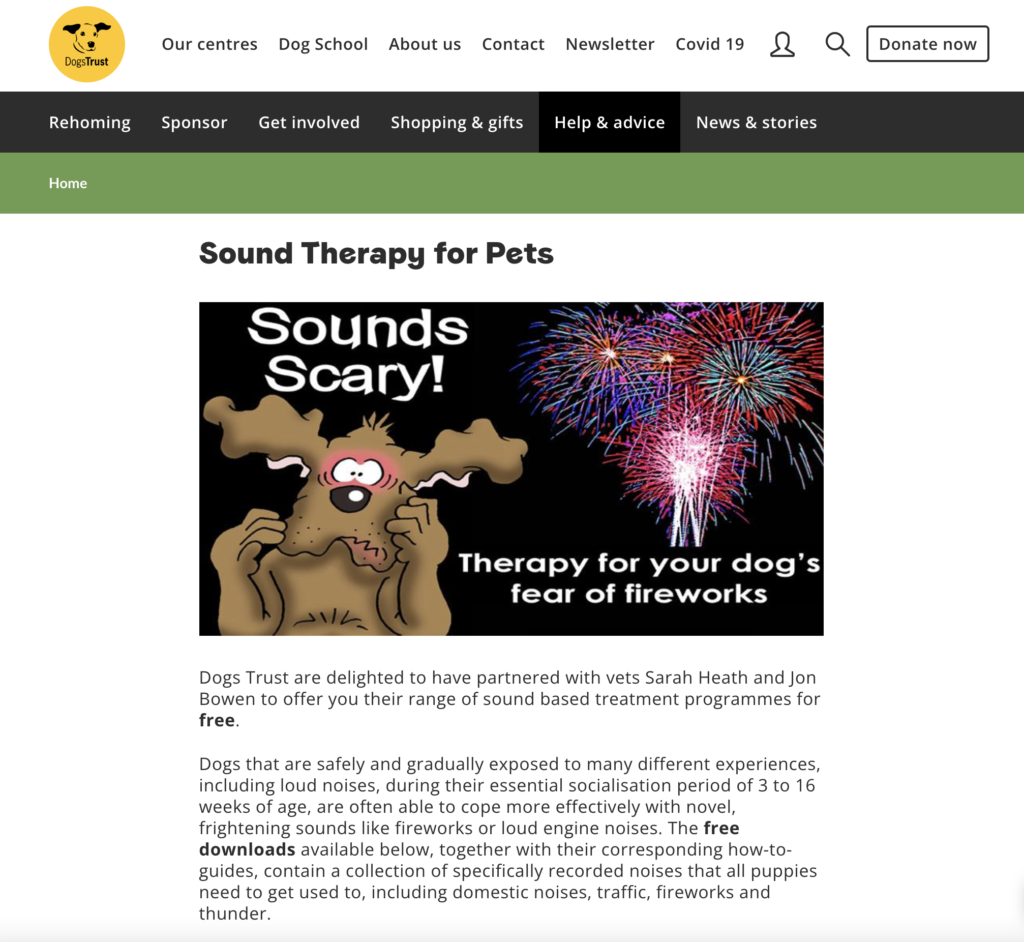
Dogs Trust has a variety of sounds on its Sound Therapy for Pets page, from fireworks in the Sounds Scary playlist to children and traffic in the Sounds Sociable section. The organisation also has booklets that explain the process of desensitisation if you need an extra helping hand.
BBC Sound Effects
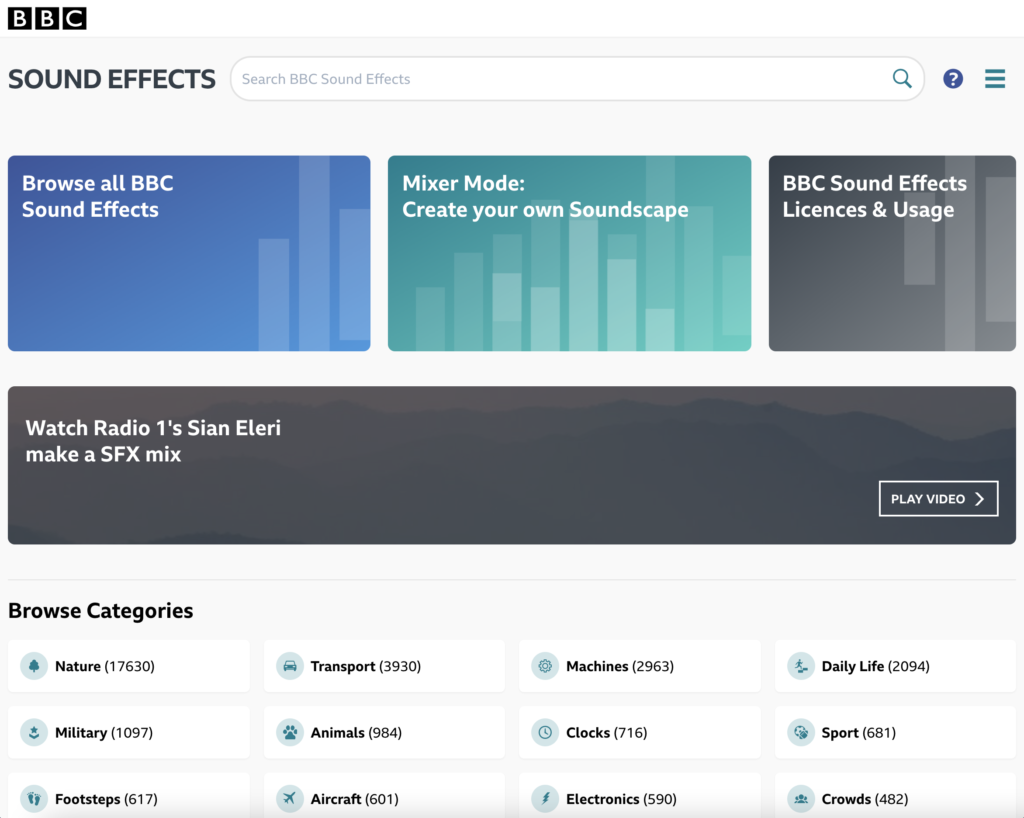
BBC Sound Effects has thousands of sounds, including electronics, various forms of transport and even different animal sounds that your dog may come across. My dog reacts to the specific banging sound from a certain type of lorry which was quite hard to find on usual places like YouTube. But the BBC had a few options for me to choose from.
Freesound
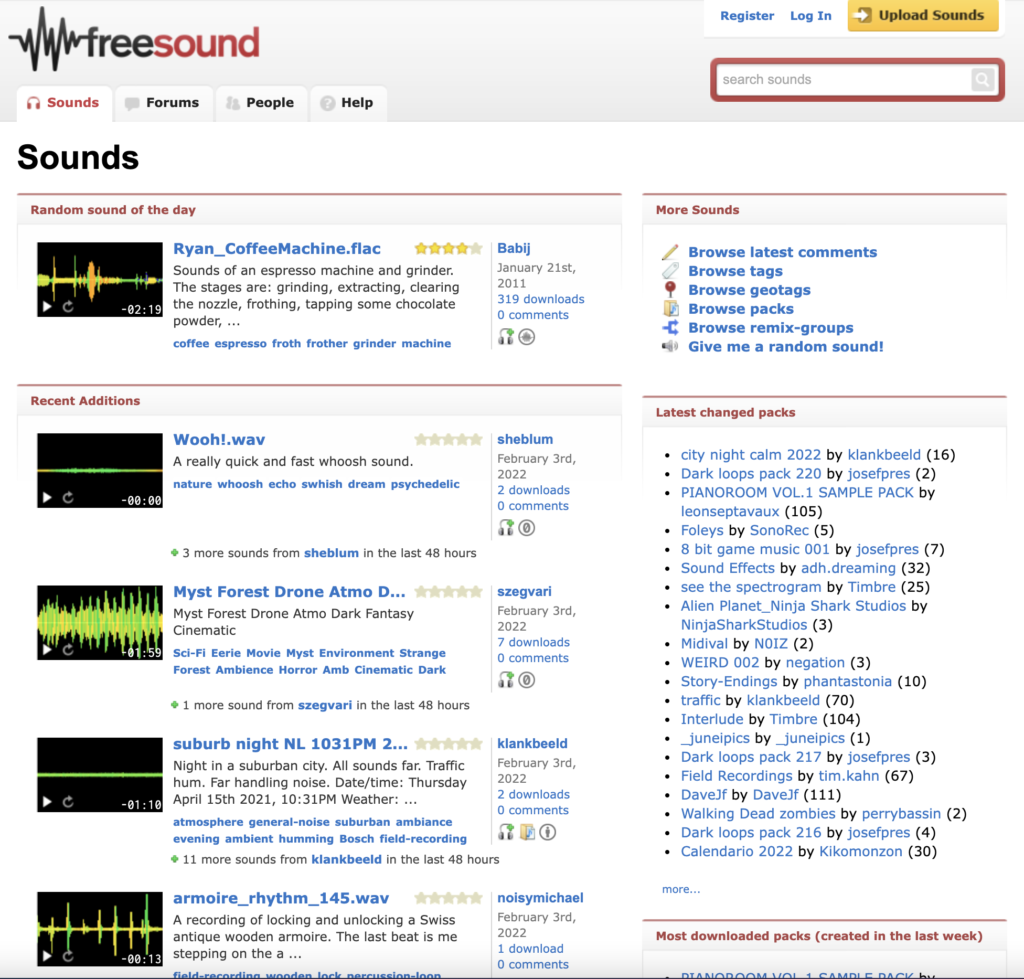
Freesound is similar to BBC Sound Effects. It has tonnes of different sounds – some are rather unique like a specific brand of coffee machine. There’s also a forum where you can ask people to help you find a certain sound or ask them to record one if you’re really struggling.
The next steps to sound desensitisation for dogs
Noise desensitisation for dogs can take some time as we always have to work to our dog’s pace. And you may find it easier to start with similar sounds and then work your way up to the actual one they’re worried about. So for example, I started with regular traffic sounds for my dog before moving to the lorry banging to help him get more comfortable with those kinds of noises.
As always, if you need personalised advice or help creating a desensitisation plan, do reach out.